How to use good, better, best pricing to win bigger jobs
One price gives customers one decision: yes or no. Three clear options give them a choice, and most pick the middle. Here's how to build packages that lift your average job.
Send a customer one price and you've asked them one question: yes or no. If the answer is no, the conversation is usually over, or it turns into "can you do it cheaper?"
Send them three options and the question changes. It's no longer "should I hire you?" It's "which one do I want?"
That's the idea behind good, better, best pricing. It isn't a trick. It's a way of showing customers what's possible, letting them choose how much they want, and stopping you guessing what they'd pay.
Done well, it lifts your average job without a single discount.
Why three options beat one price
When there's only one price, customers have nothing to compare it to except the cheapest quote they got elsewhere. When there are three, they compare your options with each other.
Behavioural economists have studied this for decades. The best-known example comes from Dan Ariely, who tested subscription offers on students at MIT.
84%
chose the US$125 'print and web' subscription when a 'print only' option at the same price sat beside it
68%
chose the US$59 'web only' option once the 'print only' option was taken away
Source: Dan Ariely, Predictably Irrational, 2008, chapter 1.
The two real options and their prices didn't change. Only the extra option beside them did. How you present choices changes what people pick.
For a home service business, the lesson is simple: the options you put beside your main offer shape how it looks.
Build the middle package first
Most owners start with their cheapest option and add from there. Flip it.
Start with the middle package, the "better" one. It should be the job you'd recommend to your own family. The one that gets the result customers actually want, at a price that gives you a proper margin.
Then build the other two around it:
Good is the middle package with things taken out. Fewer rooms, no extras, a standard finish. It's for the customer on a tight budget, and it still has to be a job you're happy to put your name on.
Best is the middle package plus the extras people love. The oven, the windows, the hedge trim, the ceramic coating. It's for the customer who wants it all done in one go.
Here's how that might look for a house clean. The prices are illustrative.
Standard clean, $180. Kitchen, bathrooms, vacuum and mop throughout.
Deep clean, $260. Everything in Standard, plus skirting boards, inside the microwave, light switches and doors wiped down.
Deep clean plus, $340. Everything in Deep, plus inside the oven, inside the fridge and interior windows.
A lawn care business might offer mow only, mow and edges, and mow, edges and garden tidy. A detailer might offer an exterior wash, a full valet, and a full valet with paint protection.
Make the gaps obvious
The point of three packages is that customers can choose fast. That only works if the difference between them is easy to see.
A few rules that help:
Each step adds something visible. Not "extra attention to detail", but "inside the oven".
Keep the price gaps sensible. If Best costs three times as much as Good, most people won't even consider it. Steps of roughly 30 to 50% are easier to compare.
Don't offer more than three. Four or five options and people stall, or ask you to decide for them.
Mark your recommendation. A simple "Most popular" next to the middle option helps people who just want to be told.
Put the options on the quote, not in a phone call
Packages work best when the customer can see them side by side and choose on the spot. If they have to text you back to ask "what's in the deep clean again?", you've lost momentum.
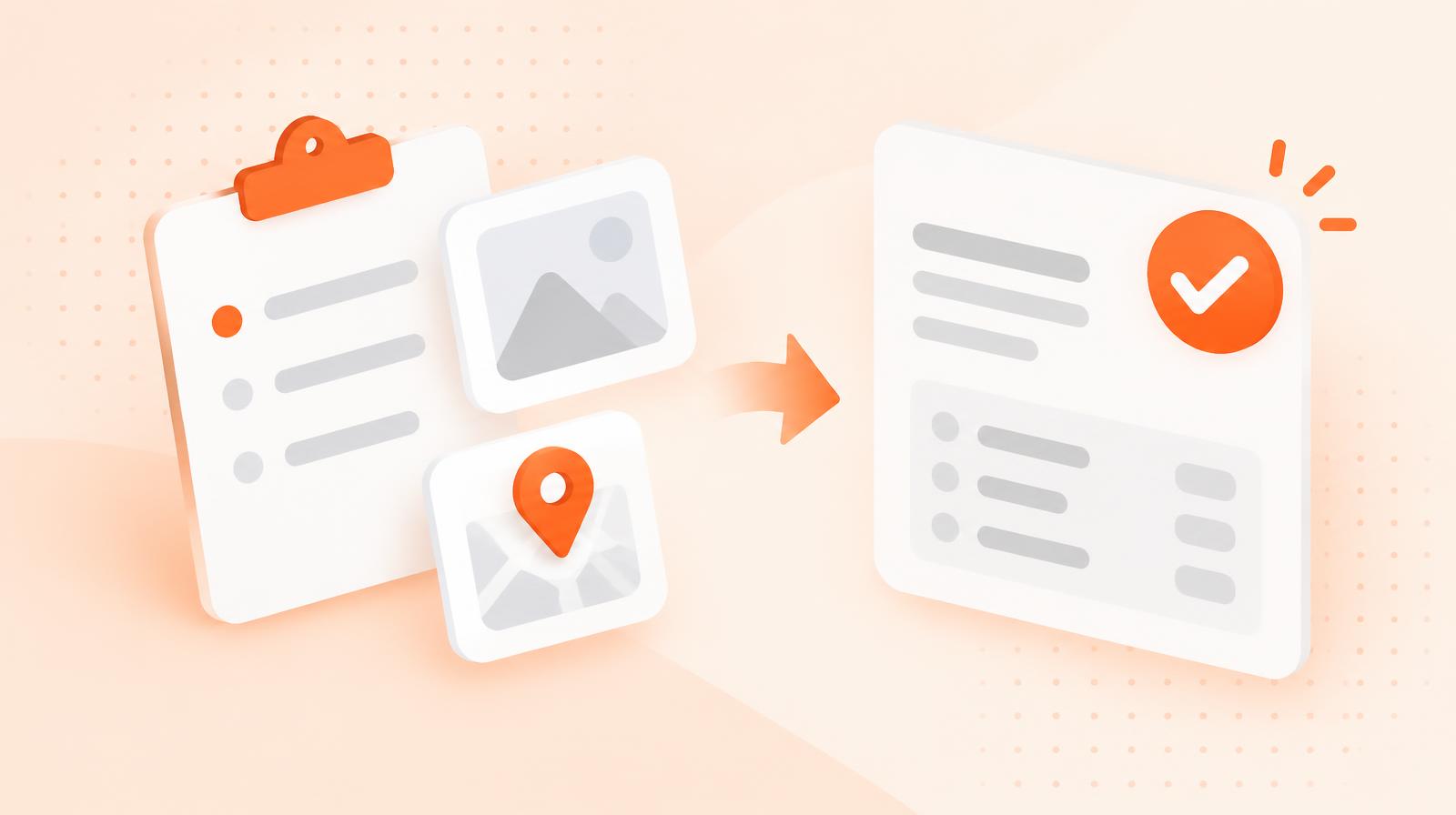
In Taskly, you can add your packages and extras as line items on the quote, and mark the extras as optional. Your customer ticks the ones they want when they accept the quote, so the decision happens in one place, without another round of calls. Picking line items from your saved services keeps every quote consistent, too.
If you take most enquiries through a website form, keep the first step simple. Collect the job details through your booking form, then send the options in the quote once you know what the job needs.
Use packages for regulars as well
Good, better, best isn't only for one-off jobs. It works for recurring work, too.
A regular lawn customer might choose between a fortnightly mow, a fortnightly mow with edges, or a weekly mow and edges through summer. A regular cleaning client might choose a standard fortnightly clean, or the same clean with a deep clean every fourth visit.
Once they've chosen, set it up as a recurring booking so the right job and price repeat automatically. When their needs change, offering the next package up is a much easier conversation than a price rise.
What to do this week
You don't need to redo every price in your business. Start with your most common job.
Pick the job you quote most often.
Write down what you'd recommend to your own family. That's your middle package.
Take two or three things out for Good. Add two or three popular extras for Best.
Give each package a plain name and a price, and mark the middle one as your pick.
Send it on your next five quotes and see which option people choose.
Most owners are surprised by how many customers pick the middle, or even the top. You were never the problem. A single price just wasn't giving them the chance to say yes to more.