
How to stop chasing late payments in your home service business
Late payments are a systems problem, not a customer problem. Here's the terms, invoicing and follow-up playbook that gets you paid without the awkward texts.
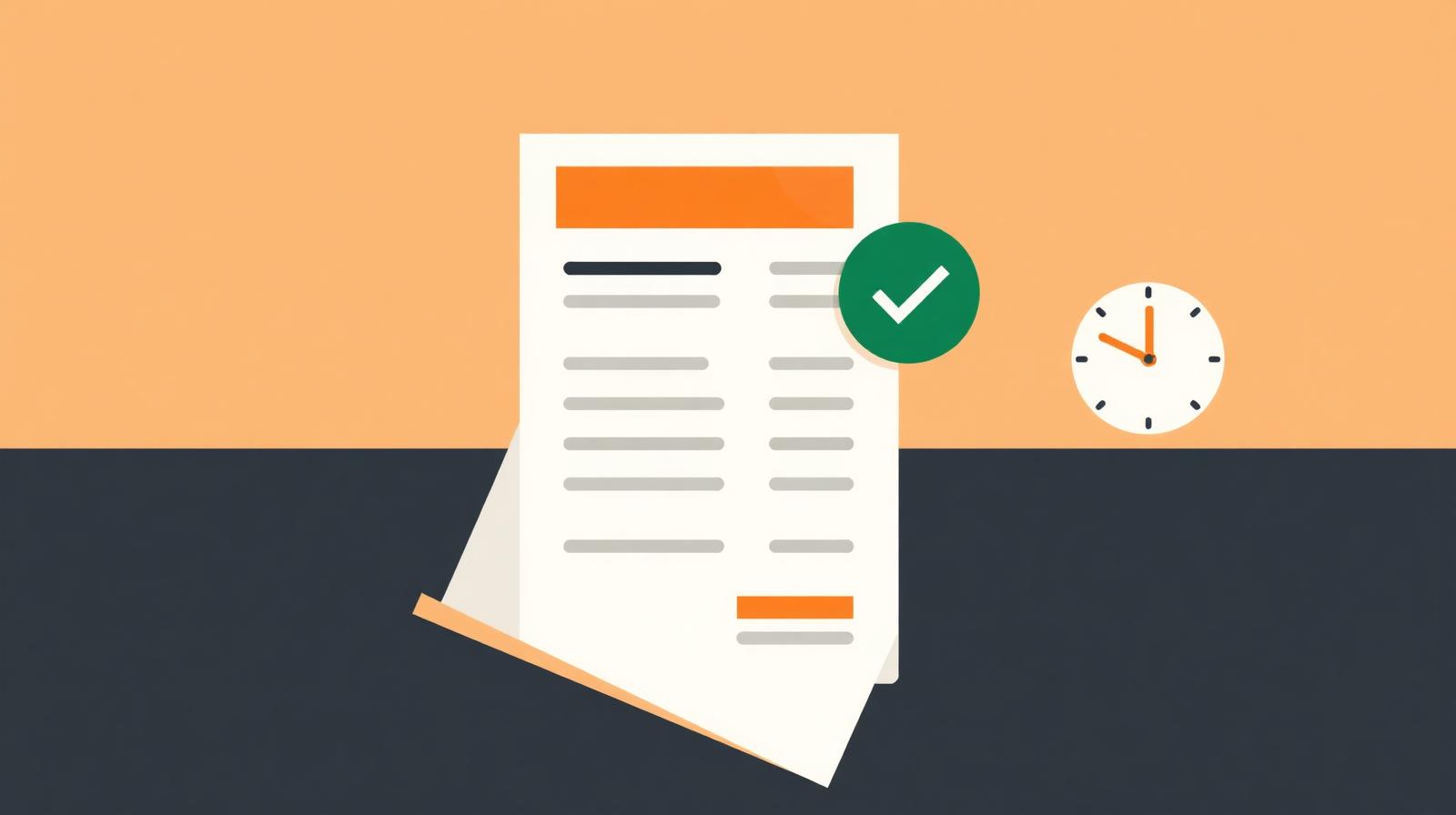
You finished the job two weeks ago. The lawns look great, the windows are spotless, the customer said thanks at the door. And the invoice is still sitting there, unpaid.
So now it's 8pm on a Tuesday and you're drafting the awkward text. The one that starts with "Hey, just checking in..." and takes you twenty minutes to word because you don't want to sound desperate or rude.
If that's you, here's the uncomfortable truth: chasing late payments is almost never about bad customers. It's about a missing system. And the good news is that systems are fixable.
Late payments are usually a systems problem, not a customer problem
Most customers who pay late aren't dodging you. They got the invoice, meant to pay it, and then life happened. School pickup, a leaking hot water cylinder, a full inbox. Your invoice slid down the pile because nothing in your process kept it at the top.
The scale of the problem in New Zealand is bigger than most owner-operators realise. Xero's Small Business Insights research found late payments cost Kiwi small businesses more than $800 million in 2023 alone, and a Xero and GoCardless survey found 35% of NZ small businesses report their payments are, on average, more than 14 days overdue.
4.5 days
Average lateness of payments to NZ small businesses (Xero Small Business Insights)
$800M+
What late payments cost Kiwi small businesses in 2023 (Xero)
35%
NZ small businesses with payments averaging 14+ days overdue (Xero/GoCardless)
~27%
Chance of collecting a debt once it's 12 months old (Commercial Law League of America)
The fix isn't chasing harder. It's building a process where paying you on time is the path of least resistance, and where the chasing happens automatically when it doesn't.
Set payment terms before the job starts, not after it ends
The worst time to explain your payment terms is when the customer is already late. At that point it feels like a telling-off. Agreed up front, it's just how you do business.
Your terms should answer three questions before you turn up:
When is payment due? For most residential work, "due on completion" or "due within 7 days" is completely reasonable. The old default of 20th of the month following belongs to commercial trade accounts, not a one-off house wash in Hamilton. Xero's research backs the shorter window: a 2018 study found invoices with one-week terms got paid in around two weeks, still faster than voluntarily offering three or four.
How can they pay? Every payment method you don't offer is a reason to delay. Bank transfer at minimum; card payment if you can. Xero's data shows invoices with convenient online payment options get settled up to twice as fast.
What happens if they don't pay? You don't need to threaten anyone. A single line like "overdue invoices are followed up weekly" on your quote sets the expectation that you notice.
Invoice the same day you finish the work
Every day between finishing the job and sending the invoice is a day you've volunteered to wait. Worse, the job fades in the customer's memory. An invoice that lands while they're still admiring the clean deck feels fair. The same invoice arriving ten days later feels like a bill out of nowhere.
Same-day invoicing is where most solo operators fall over, and it's rarely laziness. It's that invoicing lives on the laptop at home, and by the time the kids are fed you'd rather do anything else. Batch it to Sunday night and you've added up to a week of delay to every job you did that week.
The operators who get paid fastest send the invoice from the vehicle before they leave. Job done, invoice sent, payment terms already agreed. Some take card payment on the spot and skip the waiting entirely.
Invoice from the driveway, not the desk
Taskly turns a completed job into a sent invoice in a couple of taps, so payment starts the moment the work ends.
Use a three-touch follow-up that does the chasing for you
Here's why chasing feels so awful: it's ad hoc. You notice an unpaid invoice at a random moment, you're already annoyed, and you have to compose something polite from scratch. Every reminder is an emotional event.
A cadence removes the emotion. Three touches, written once, sent on schedule:
Touch one, the day before it's due. A friendly nudge: "Just a reminder, invoice #204 for $180 is due tomorrow. Pay by bank transfer to... or card here." This one catches the forgetful majority and doesn't read as a chase at all.
Touch two, 5 to 7 days overdue. Direct but warm: "Invoice #204 is now a week overdue. Could you sort payment this week? Sing out if anything's wrong with the invoice." Note the invitation to flag a problem. If they dispute something, you want to know now, not at day 60.
Touch three, 14 days overdue. A phone call, not a message. Texts are easy to ignore; a two-minute call almost never is. Stay friendly, ask when they'll pay, and get a specific date. "By Friday" beats "soon" every time.
Write these once, save them as templates, and the awkward-text problem disappears. You're not composing anything at 8pm. The system is just doing its rounds.
Know when to ask for a deposit, and when to walk away
For big jobs, deposits aren't cheeky, they're standard. A full house wash, a section clear, a multi-day carpet job: any work where you're committing serious hours or buying materials deserves 25 to 50% up front. A customer who baulks at a reasonable deposit on a $2,000 job is telling you something about how the final invoice will go.
New customers on larger jobs are the other deposit trigger. You have no payment history with them, and a deposit converts a stranger into someone with skin in the game.
What to do when someone genuinely won't pay
Most late payers pay once the system nudges them. A small number won't, and you need a calm escalation path rather than months of hopeful texting.
At 30 days overdue, send a formal reminder stating the amount, the original due date, and that you'll take further steps if it's not paid within 7 days. Keep it factual, not angry.
If that deadline passes, the Disputes Tribunal is built for exactly this. From 24 January 2026 it can hear claims up to $60,000, double the old limit, and filing fees start at $61 for smaller claims. No lawyers in the room, and referees decide on the merits. For a home service invoice, the maths almost always works, and in practice a formal letter mentioning the Tribunal gets many invoices paid before you ever file.
Whatever you recover, run the numbers on the relationship. A customer who cost you three months and a Tribunal claim isn't a customer. Walking away is a business decision, not a defeat.
What to do this week
You don't need all of this by Friday. You need the first domino: add clear payment terms to your quote template today, with a due date, payment options and one line about follow-up.
Then fix the invoicing gap. If your invoices go out days after the job, move them to the driveway, same day, every time. That single change compresses your entire payment cycle more than anything else on this list.
Finally, write your three follow-up messages and save them somewhere you'll actually use them. The goal isn't to become good at chasing money. It's to build a system where you never have to.
Keep reading
cash-flow
How to keep cash flowing through the NZ winter slowdown
Winter doesn't have to mean a cash flow hole. Three practical levers to fill your calendar and smooth income until spring.
compliance
NZ sole trader's guide to GST and invoicing in 2026
Everything NZ sole traders need to know about GST registration, compliant tax invoices, record keeping, and the tools that make admin painless.
invoicing
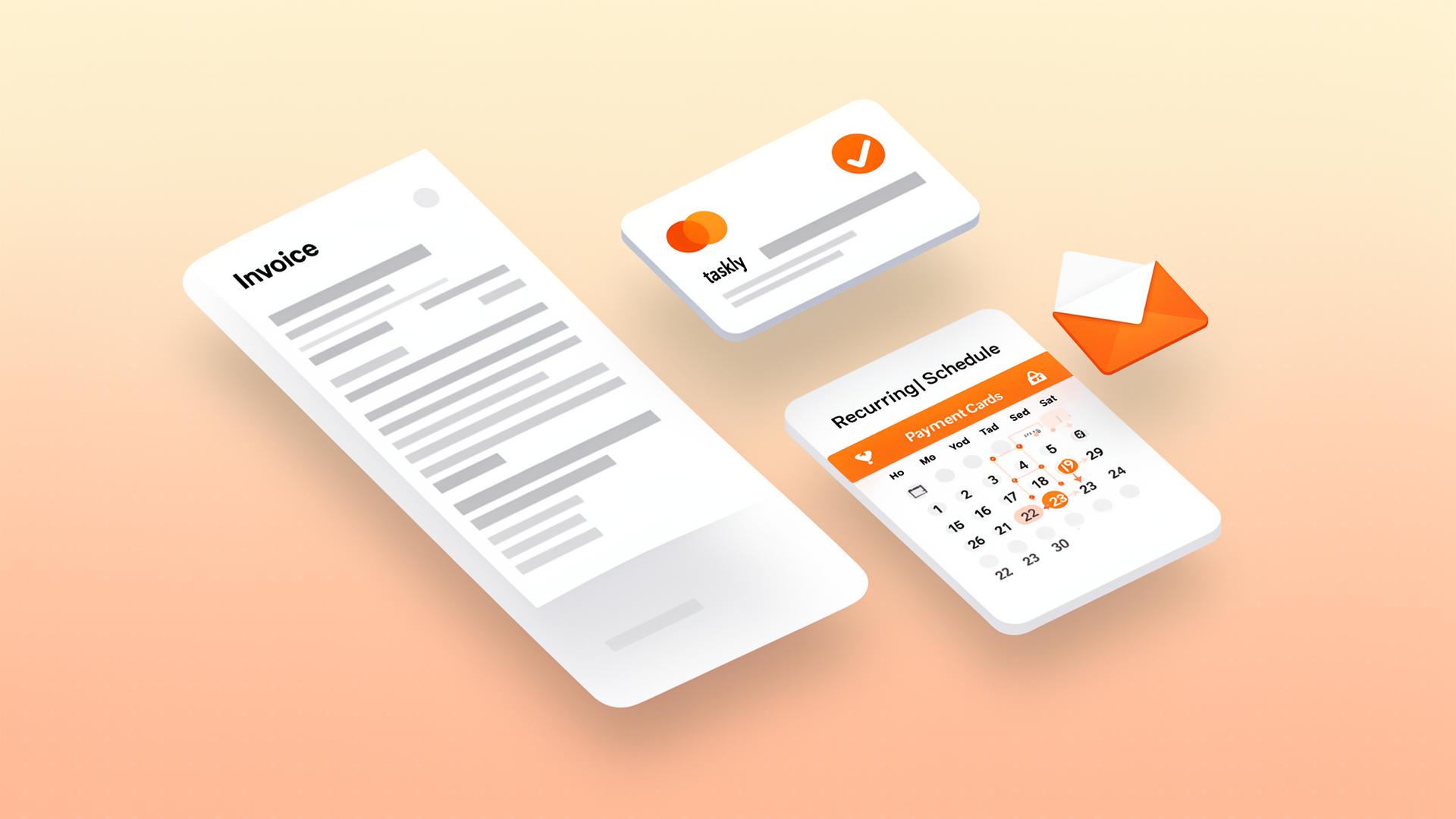
How to run a home service business without manual invoicing
Stop drowning in paperwork. Here's how NZ and AU home-service businesses can automate invoicing from job completion to payment — no manual data entry required.